
Automotive crankcase ventilation filter household car engine breather valve black PCV filter replacement part for improved engine performance and reduced emissions maintenance


Automotive crankcase ventilation filter household car engine breather valve black PCV filter replacement part for improved engine performance and reduced emissions maintenance
Black automotive crankcase ventilation filter for engine breather system maintenance and replacement

This black automotive crankcase ventilation filter, commonly referred to as a PCV (Positive Crankcase Ventilation) filter or breather valve, is a component designed for engine maintenance. Its primary function is to filter gases and vapours that escape past the piston rings into the crankcase, known as blow-by. A functioning ventilation filter helps regulate crankcase pressure, prevents the buildup of harmful sludge and acids within the engine oil, and can contribute to reduced hydrocarbon emissions by recirculating filtered gases back into the combustion intake. Replacing this component when worn or clogged is a standard part of preventative engine care, supporting the consistent performance and longevity of the vehicle's engine system. This unit is supplied in a standard black finish, ready for installation.
Features and Construction
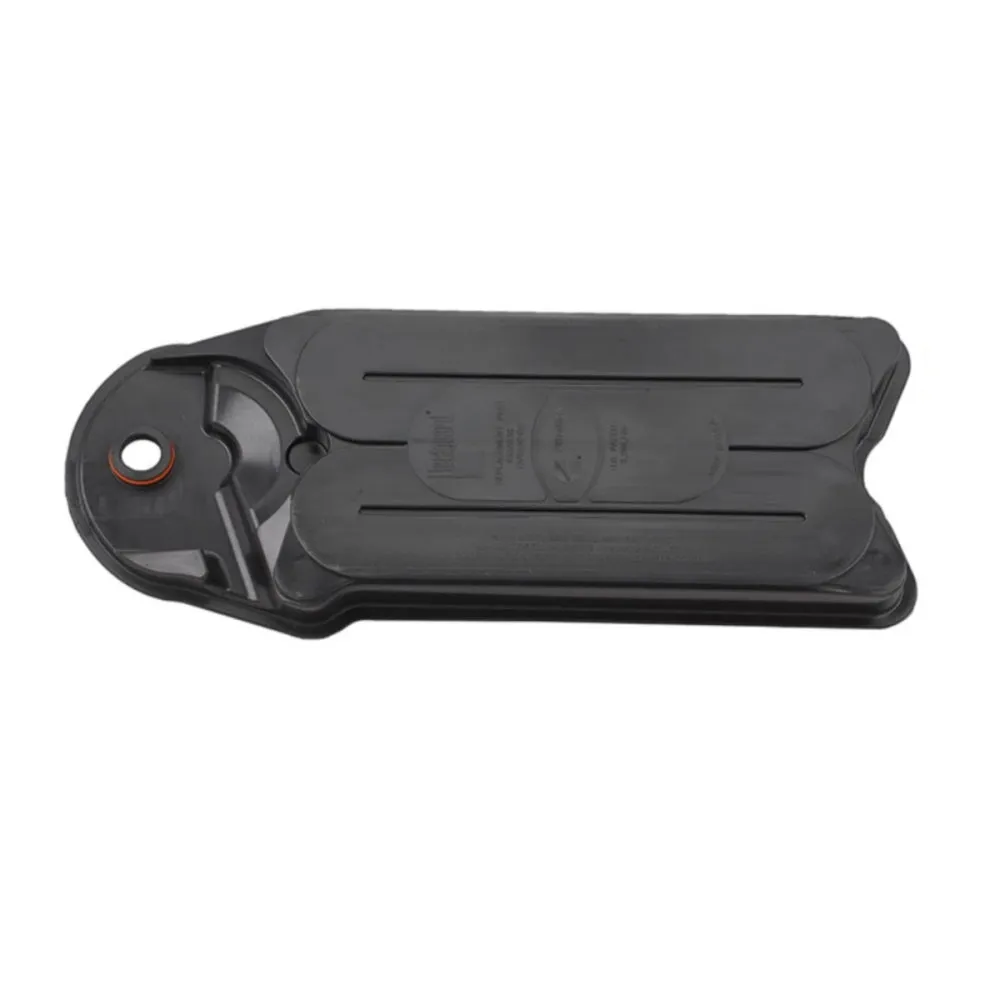
The filter is presented as a single, complete unit designed to integrate into a vehicle's PCV system. Its construction is focused on the task of gas filtration and pressure regulation within the engine's crankcase.
Material and Build
The filter utilises a filtration media housed within a casing to capture oil mist, particulates, and other contaminants from the crankcase gases. The external finish is black, as specified. The design allows gases to pass through while trapping impurities, helping to keep the intake air cleaner and reducing the potential for oil sludge formation in the crankcase and associated breather hoses.
Size and Practical Fit
This is supplied as one standard automotive ventilation filter unit. The specific dimensions and thread or connection type are not detailed in the source material, so verification against the vehicle's original part or service manual is required prior to purchase to ensure correct fitment. It is intended as a direct replacement for an existing, similar PCV system filter component.
Uses and Placement
This component has a specific, technical application within an automotive context. Its use is tied directly to engine function and maintenance routines.
Event or Professional Use
For professional mechanics or during major service events, replacing the crankcase ventilation filter is a recognised step in comprehensive engine servicing. It is often addressed alongside oil changes, air filter replacements, and spark plug inspections. A clean, functional PCV filter is considered part of maintaining engine efficiency and meeting emissions standards during vehicle inspections or performance tuning.
Everyday Home Use
For the home mechanic performing their own vehicle maintenance, this filter represents a manageable component to replace. The task typically requires basic tools and follows a procedure outlined in a vehicle repair manual. Installing a new ventilation filter can be part of a DIY service schedule aimed at preserving engine health, potentially improving idle quality, and preventing issues related to excessive crankcase pressure.
Benefits and Buying Value
The value of this product lies in its role as a maintenance part rather than a cosmetic or optional accessory. Its benefits are functional and preventative.
Reuse and Low Maintenance
Unlike some engine components, a crankcase ventilation filter is not typically reused once removed; it is a service item intended for periodic replacement. Its value comes from the low-maintenance operation it provides after installation. A functioning filter works passively as you drive, requiring no ongoing attention until the next recommended service interval, helping to protect more expensive engine components from contamination-related wear.
Why Choose This Product
This product is chosen as a necessary replacement part when the existing ventilation filter requires servicing. The decision is based on the need to maintain the engine's PCV system. Using a designated filter helps ensure the correct flow characteristics and filtration for the engine's specific ventilation requirements, which is preferable to operating with a clogged filter or attempting to bypass the system, which can lead to increased oil consumption, emissions, and potential engine damage.