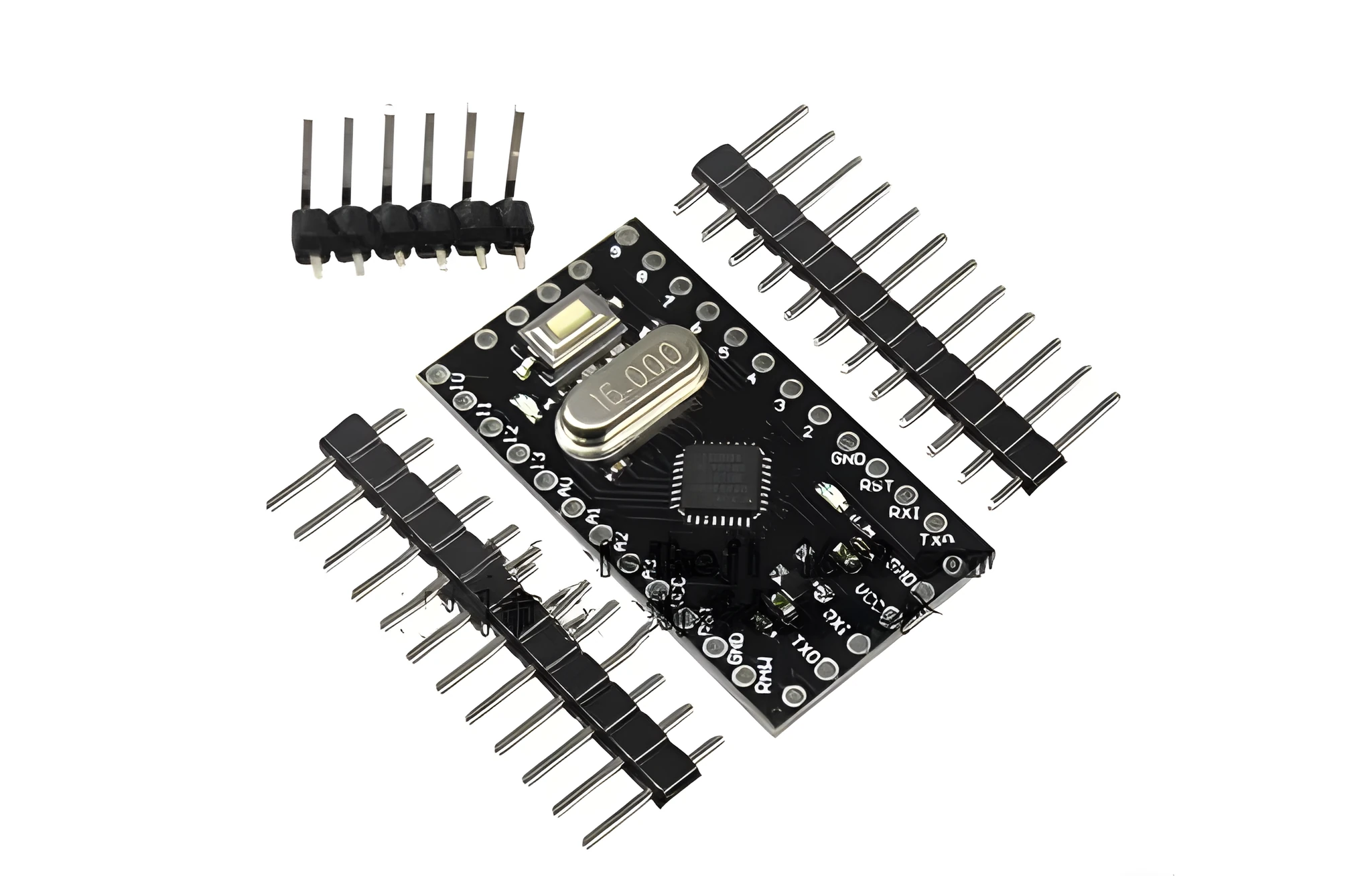
Mini Pro Professional Microcontroller Circuit Board Electronic Building Block Template with Atmel Atmega328P-AU, 14 Digital I/O Pins, 8 Analog Inputs, 16MHz Clock Frequency for DIY Electronics Projects and Prototyping


Mini Pro Professional Microcontroller Circuit Board Electronic Building Block Template with Atmel Atmega328P-AU, 14 Digital I/O Pins, 8 Analog Inputs, 16MHz Clock Frequency for DIY Electronics Projects and Prototyping
Mini Pro Professional Microcontroller Board for DIY Electronics and Prototyping
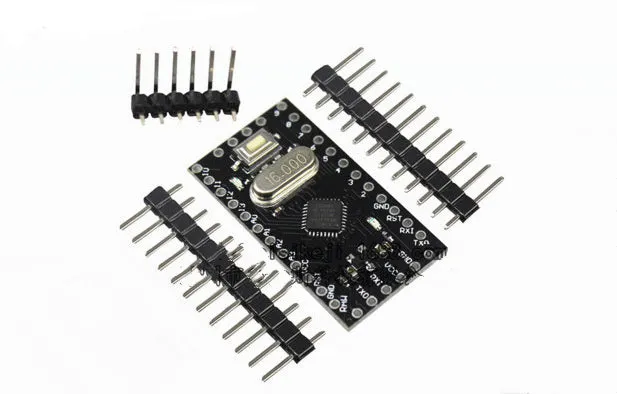
The Mini Pro professional version is a compact, feature-rich microcontroller circuit board designed as a central component for electronic projects. Built around the established Atmel Atmega328P-AU processor, it delivers a practical platform for learning, prototyping, and creating functional devices. Its comprehensive set of 14 digital and 8 analog I/O pins, coupled with flexible power supply options, makes it suitable for a wide range of applications from basic automation to more complex interactive systems. The board's clear pin labelling and standardised headers simplify the connection of sensors, displays, motors, and other common electronic modules.
Features and Construction

This board is defined by its specific technical parameters, providing a concrete foundation for project development without unspecified performance claims.
Material and Build
The board is constructed as a standard printed circuit board (PCB) populated with surface-mounted and through-hole components. The central processing unit is the Atmel Atmega328P-AU microcontroller, a common chip known for its use in many entry-level and intermediate development boards. A 16MHz ceramic resonator provides the system clock, and the board includes a physical reset button for manual control. Connection points are provided via rows of male pin headers, which are soldered in place to allow for secure attachment of jumper wires or shield modules.
Size and Practical Fit
The board's dimensions are precisely 33.3mm in length and 18.0mm in width, making it a compact component that can be integrated into space-conscious projects or used on a breadboard for prototyping. This small footprint is a practical consideration for final builds where enclosure space is limited. The mounting holes incorporated into the pin header design allow for secure physical attachment to a chassis or panel, adding mechanical stability beyond simple electrical connection.
Uses and Placement

The specified features directly support its application in both educational and functional contexts.
Event or Professional Use
In workshop or educational settings, this board serves as a practical tool for teaching electronics and programming principles. Its clearly defined pinout—with digital ports D2 through D13 plus RX/TX, and analog inputs A0 through A7—provides a hands-on reference for understanding input/output concepts. The support for serial download facilitates iterative programming and debugging, which is essential in a learning or professional prototyping environment. It can form the basis for demonstration rigs, test equipment, or interactive exhibits.
Everyday Home Use
For the hobbyist, this microcontroller can be the brain for various home automation or convenience projects. The six PWM outputs enable control over lighting intensity or motor speed, applicable in projects like dimmable LED strips or fan controllers. The analog inputs allow for environment monitoring using sensors for temperature, light, or humidity. The dual power supply support, from a regulated DC source or a 9V battery, means projects can be designed for both permanent wall-powered installations and portable, temporary setups.
Benefits and Buying Value
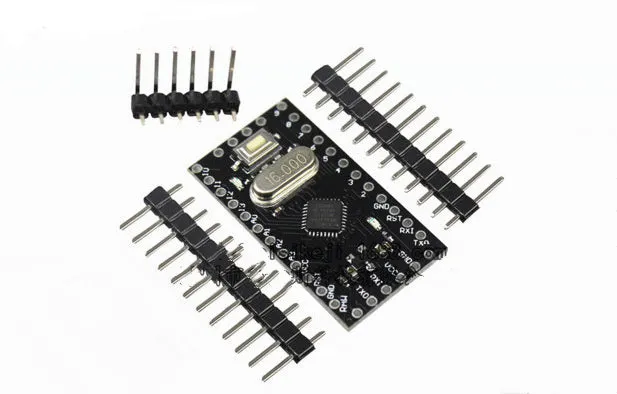
The value lies in its defined specification set, which offers a known quantity for project planning.
Reuse and Low Maintenance
As a fundamental electronic component, the board is designed for reuse across multiple projects. Once a prototype is complete, the board can be desoldered or unplugged and redeployed in a new design. Its solid-state construction with no moving parts suggests low maintenance, with reliability dependent on standard electronic component care. The provided technical data allows users to confidently integrate it into systems, knowing its exact capabilities and limits, such as the 16MHz operating speed and the supported voltage range.
Why Choose This Product
This board offers a clearly specified set of resources: a determined number of I/O pins, a known microcontroller, and explicit power options. This clarity is advantageous over more vague alternatives, as it allows for precise project planning and component selection. The inclusion of both digital and analog interfaces in a single, small package provides a versatile foundation. For those requiring a basic to intermediate level of control with a well-documented chipset, this board presents a straightforward, no-surprises solution grounded in its published parameters.